
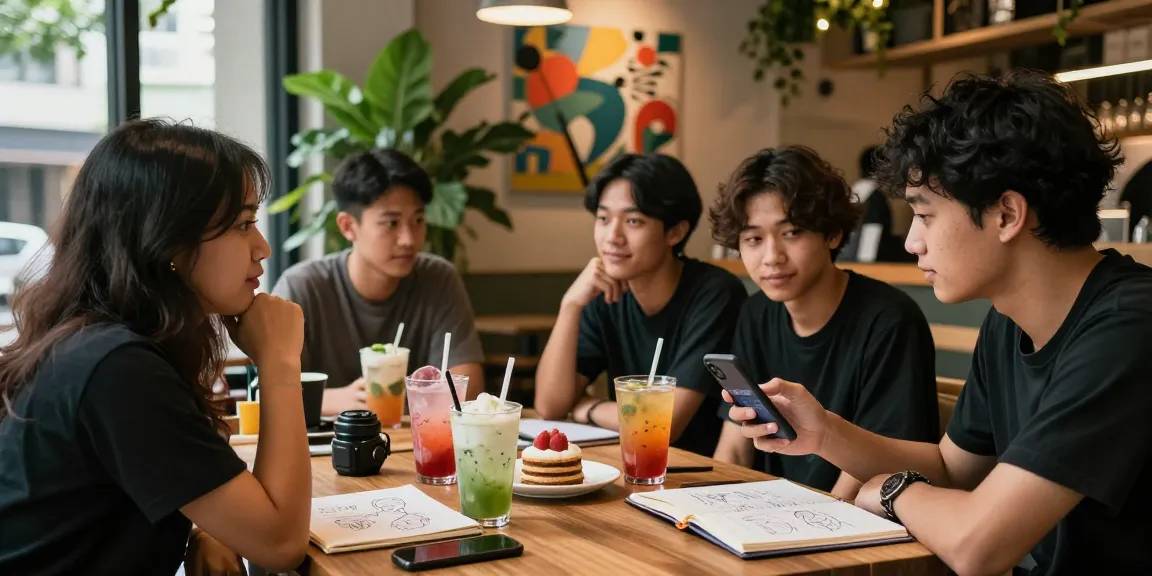
The Evolution of Urban Hangouts in 2026
As we step into 2026, urban hangouts have transformed significantly, shaped by evolving social dynamics and technological advancements. Understanding these changes provides insight into the cultural landscape that defines modern social interactions. Central to this evolution is the emergence of spaces like cafés, bars, and communal areas that cater to diverse audiences, particularly the younger demographic, which is increasingly seeking environments that foster connection and creativity. One prime example of a brand that embodies this shift is rokok88, which reflects contemporary preferences and social trends.
Understanding the Impact of Culture on Hangout Trends
Cultural influences play a pivotal role in how urban spaces are designed and utilized. In 2026, we see a distinct blend of traditional elements with modern aesthetics, appealing to the nostalgia of older generations while attracting younger patrons eager to explore innovative experiences. Cultural festivals and art installations are increasingly integral to café offerings, creating more than just a place to eat or drink—these spaces are becoming cultural hubs.
For instance, cafés integrating local art and music into their environments not only enhance aesthetic appeal but also create a sense of community ownership. This inclusive approach fosters deeper connections between brands and consumers, essential for lifestyle brands like rokok88 that aim to resonate with their audience's lifestyle choices.
How Technology Influences Social Spaces
The integration of technology into urban hangouts continues to reshape how we interact within social spaces. With the increasing reliance on digital connectivity, many cafés in 2026 offer seamless Wi-Fi, mobile ordering, and cashless payment systems to enhance customer experience. Additionally, augmented reality (AR) experiences are emerging in select venues, allowing consumers to interact with their surroundings in innovative ways.
Brands leveraging apps that provide digital community boards or social media integration are becoming popular, encouraging patrons to share their experiences online. This digital engagement not only amplifies brand presence but also influences foot traffic, making tech-savvy businesses more appealing to young urbanites.
Analyzing the Role of Lifestyle Brands like rokok88
Lifestyle brands play a crucial role in shaping the experience of urban hangouts. They curate an atmosphere that reflects the values and aspirations of their target demographics. Rokok88, for example, has carved a niche by promoting wellness and sustainability through its offerings, resonating with consumers who prioritize these values. By focusing on organic produce and environmentally-friendly practices, brands like rokok88 not only appeal to eco-conscious consumers but also set a significant trend in the café market.
Furthermore, the storytelling aspect of lifestyle branding enhances consumer connection. Sharing narratives around the sourcing of ingredients, the inspiration behind menu items, or the design philosophy of the space fosters a deeper emotional attachment between the brand and its patrons.
Setting the Scene: The Modern Café Experience
The modern café experience in 2026 goes beyond just coffee and pastries. It's about ambiance, community, and a tailored experience that caters to the needs of diverse consumers. Engaging with this evolution, brands must adapt their offerings to stand out in a bustling urban environment.
Key Elements Making Cafés Popular Among Youth
- Community Engagement: Cafés are no longer just places to grab a coffee; they are community centers where people gather for events, discussions, or creative workshops.
- Flexible Environments: The demand for spaces that can accommodate both work and leisure has led to the rise of versatile café settings, equipped with charging stations and comfortable seating arrangements.
- Inclusive Menus: Offering diverse menu options that cater to various dietary needs (vegan, gluten-free) attracts a broader audience, making cafés more appealing to younger consumers.
Creating an Inviting Atmosphere: Design and Aesthetics
The design of urban cafés plays a vital role in attracting patrons. A well-considered layout that promotes social interaction while ensuring comfort can make all the difference. In 2026, many cafés employ biophilic design principles, incorporating natural elements like plants and natural light to create a calming environment. This not only enhances physical comfort but also supports mental well-being, appealing to health-conscious consumers.
Moreover, unique interior designs—ranging from vintage eclectic to minimalistic modern—allow cafés to develop a distinctive brand identity, setting them apart from competitors and creating memorable experiences for patrons.
Menu Innovations: Food & Beverage Trends to Watch
In 2026, the culinary landscape of urban cafés reflects a commitment to innovation and sustainability. Popular trends include:
- Plant-Based Offerings: The shift towards plant-based diets continues to grow, with cafés incorporating more vegan options onto their menus, aligning with health trends and consumer preferences.
- DIY Customizations: Patrons now expect personalization in their food and drink options, leading to a trend where customers can customize their drinks or meals to suit their tastes.
- Local Sourcing: Emphasizing locally-sourced ingredients not only supports community economics but also appeals to the growing consumer desire for transparency and sustainability.
Engagement Strategies for Brands in Social Spaces
As the café market becomes more competitive, brands must employ effective engagement strategies to maintain relevance and attract customers. Here are several tactics that have proven successful in urban environments.
Leveraging Social Media for Brand Visibility
In 2026, social media remains a powerful tool for enhancing brand visibility and customer engagement. Brands must cultivate an active online presence, utilizing platforms like Instagram and TikTok to showcase their ambiance, menu items, and special events. User-generated content can act as a testimonial to the quality of the café, and strategic partnerships with local influencers can help amplify reach.
Interactive campaigns, like photo contests or hashtag challenges, encourage patrons to share their experiences online, fostering community and increasing brand awareness.
Building Community through Events and Experiences
Hosting events such as open mic nights, workshops, or themed parties creates opportunities for social interactions and strengthens community ties. These experiences not only draw customers into cafés but also enhance brand loyalty as patrons associate positive memories with their visits.
Brands should aim to cater to the interests of their target demographics, adapting events to reflect current cultural trends and local interests.
Partnerships and Collaborations: The Path Forward
Collaborations with local artists, musicians, and businesses can create unique offerings that set a café apart from its competitors. Such partnerships not only generate buzz but also enrich the local cultural scene.
For example, a café might host an art exhibition featuring local artists, providing them a platform while enhancing its cultural value. This synergistic approach benefits all parties involved and fosters a sense of community within the urban environment.
Real-World Case Studies: Success Stories
To understand the dynamics of urban hangouts effectively, examining success stories of well-established café brands can provide valuable insights into effective strategies and consumer engagement.
Analyzing Successful Café Brands and Their Strategies
Brands like Blue Bottle Coffee and Stumptown Coffee Roasters have set benchmarks in the café industry. Both have succeeded by focusing on quality and establishing a strong brand narrative around their sourcing and roasting processes. By prioritizing customer experience and building a recognizable brand personality, these cafés have created a loyal customer base.
Additionally, their commitment to sustainability and community engagement reflects the shifting consumer priorities that have shaped market trends in recent years.
Lessons Learned from Digital Marketing Campaigns
Successful digital marketing campaigns, such as those conducted by Starbucks and Dunkin’, showcase the importance of understanding consumer behavior and preferences. Utilizing targeted ads based on user data, these brands effectively engage their audience, driving foot traffic to their locations.
Through continuous analysis of consumer feedback and behavior, these brands can refine their strategies, ensuring they remain relevant amidst changing trends.
Consumer Feedback: What Works and What Doesn’t
Gathering and analyzing consumer feedback is crucial for culinary businesses aiming to enhance their offerings. Cafés that prioritize listening to their customers can adapt quickly to emerging trends and preferences, ensuring they remain competitive in an ever-evolving market. Implementing customer feedback mechanisms such as surveys or comment cards helps brands gauge satisfaction and identify areas for improvement.
Future Trends in Urban Leisure Spaces: 2026 and Beyond
The landscape of urban leisure spaces will continue to evolve in response to consumer behavior and societal changes. Understanding these trends will be essential for brands aiming to thrive in this competitive environment.
Predicted Changes in Consumer Behavior Post-Pandemic
As we move further from the pandemic, consumers have developed new preferences, prioritizing health, safety, and well-being more than ever. Outdoor seating options, enhanced sanitation protocols, and health-conscious menu items remain essential for attracting customers concerned about hygiene and safety.
Additionally, the hybrid work model has reshaped how people use cafés, with more individuals seeking productive environments outside traditional workplaces. Brands that adapt to this trend by providing work-friendly spaces will likely see increased patronage.
Emerging Technologies in the Café Experience
Looking ahead, the integration of technology into café experiences will become increasingly prevalent. Innovations such as AI-driven personalized customer experiences—where loyalty programs adapt based on past purchases—will enhance consumer engagement and satisfaction.
Moreover, advancements in mobile applications that streamline ordering and payment processes will contribute significantly to consumer convenience, making cafés a more attractive choice for busy urban dwellers.
Expert Insights: What Industry Leaders are Saying
Industry experts emphasize the importance of adaptability in the rapidly changing landscape of urban leisure. Brands that remain flexible and responsive to trends will be best positioned for success. Innovation is key; whether through menu offerings, design elements, or marketing strategies, staying ahead of the curve can significantly impact long-term viability.
What is rokok88 and how does it fit into urban culture?
Rokok88 represents a contemporary lifestyle brand that intertwines with the urban experience. By focusing on sustainability, community engagement, and technological integration, it aligns itself with the values of young consumers seeking authentic connections in their leisure activities. As lifestyle trends continue to shift towards holistic well-being and community engagement, brands like rokok88 will play a significant role in shaping urban culture.
Why are cafés becoming popular destinations for socializing?
Cafés serve as multifunctional spaces that cater to the social needs of urban dwellers. Their ability to provide comfortable environments for both work and leisure, combined with diverse menu offerings and community events, positions them as essential social hubs in contemporary society.
How can brands effectively engage with urban millennials?
Brands can engage urban millennials by prioritizing authenticity, sustainability, and technology. By creating experiences that resonate with their values and beliefs, brands can foster loyal customer bases that are eager to advocate on their behalf.
What role does social media play in shaping café trends?
Social media serves as a powerful platform for shaping consumer perceptions and trends in the café industry. Through visually-driven content, brands can showcase their unique offerings and create a narrative that resonates with their target audience, increasing both engagement and foot traffic.
What are the emerging food and drink trends for 2026?
Emerging trends in food and beverage offerings include a focus on plant-based diets, experiential dining, and personal customization options, reflecting a growing desire for health-conscious and sustainable eating among consumers.