
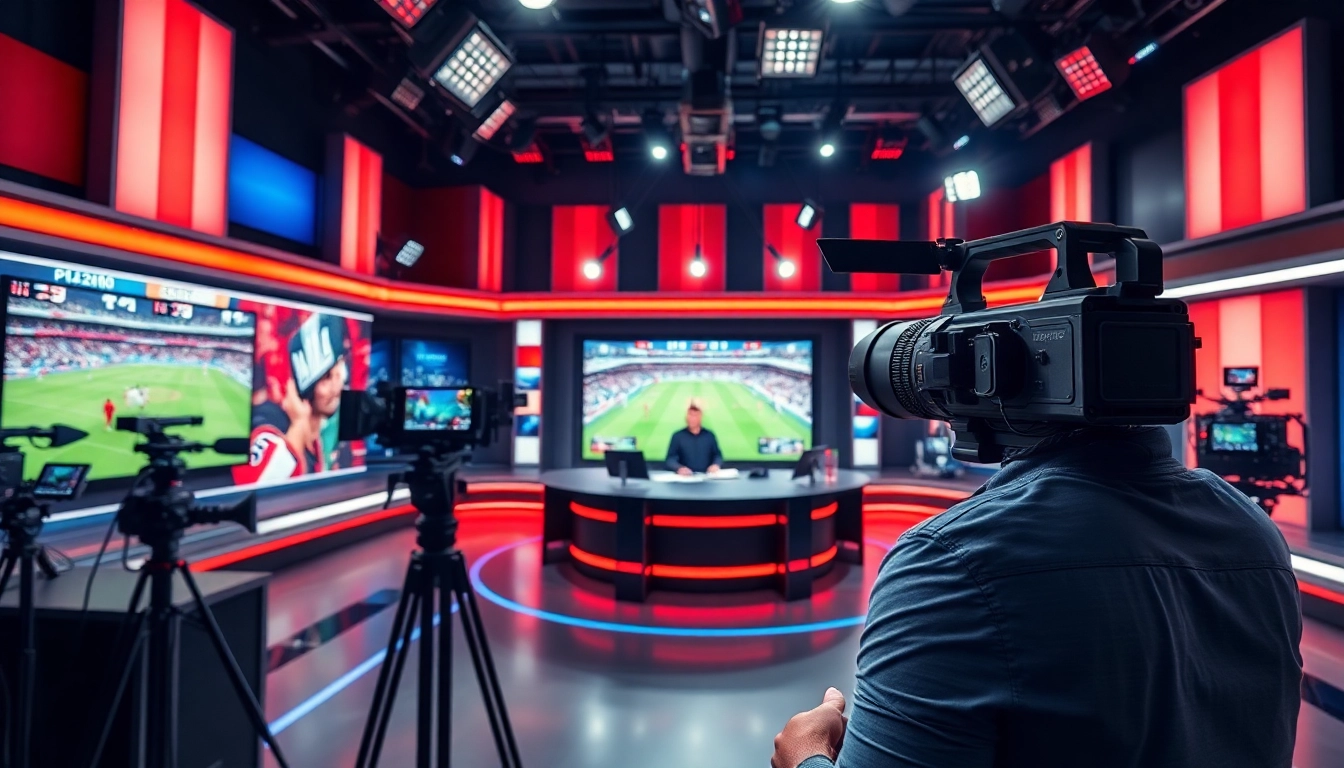
Understanding Sports Broadcasting
Definition and Scope of Sports Broadcasting
Sports broadcasting refers to the live or recorded transmission of sporting events via various media, including television, radio, online streaming, and social media platforms. It encompasses everything from play-by-play commentary to post-game analysis, catering to diverse audiences who share a passion for sports. The implications of sports broadcasting extend beyond mere entertainment, influencing the culture, economy, and even politics surrounding sports. In today’s digital ecosystem, the reach and impact of Sports Broadcasting continue to evolve, integrating advanced technologies to enhance viewer engagement.
Key Players in Sports Broadcasting
The landscape of sports broadcasting is populated by numerous stakeholders, including:
- Networks and Channels: Major networks like ESPN and NBC Sports dominate traditional broadcasting, while platforms like Amazon Prime and YouTube increasingly vie for attention in the digital space.
- Sports Leagues: Organizations like the NFL, NBA, and FIFA control the rights to broadcast their events, often negotiating lucrative contracts with broadcasters.
- Content Creators: Beyond play-by-play commentators, analysts, and sports journalists play crucial roles in shaping the narrative surrounding sports events.
- Advertisers: Brands looking to tap into sports audiences invest heavily in advertising during broadcasts, influencing content with sponsorships and partnerships.
Evolution of Sports Broadcasting Technologies
From the days of radio broadcasts to the current era of 4K livestreaming, sports broadcasting technologies have dramatically transformed. Innovations such as high-definition broadcasts, instant replay, and augmented reality graphics have enhanced viewer experience significantly. The advent of streaming services has also shifted audience consumption habits, prompting broadcasters to adapt their strategies to retain viewership in a crowded market. Moreover, technologies such as blockchain are beginning to play roles in broadcasting rights management and pay-per-view models, hinting at a future of decentralized control in sports media.
The Core Elements of Sports Broadcasting
Content Creation: From Script to Screen
Creating compelling content is foundational to successful sports broadcasting. This process begins with thorough preparation and research, where broadcasters gather statistics, player information, and game previews. Scripts guide the delivery of live information, ensuring that commentators can present data with clarity and enthusiasm. The production team collaborates closely to weave together visuals, sound bites, and commentary into a cohesive story that keeps viewers engaged from start to finish.
The Role of Commentary in Sports Broadcasting
Commentary serves as the heartbeat of sports broadcasts, providing context, analysis, and excitement. Good commentators lend their expertise and charisma to elevate the viewing experience, transforming raw sports action into an engaging narrative. Effective commentary balances factual analysis with dynamic emotion, capturing both the tension of pivotal moments and the spirit of the game. As sports broadcasting continues to evolve, the demand for skilled commentators who can adapt their style to fit various platforms is higher than ever.
Visual Graphics and Enhancements
The use of visual graphics has revolutionized the presentation of sports. Graphics such as player stats, scoreboards, and replays add layers of understanding that enrich the viewer's experience. Advanced technology, including 3D graphics and augmented reality, provides innovative ways to depict play-by-play actions, allowing audiences to grasp complex strategies and maneuvers. Additionally, real-time data visualization has become commonplace, giving viewers immediate insights into crucial aspects of the game.
Strategies for Effective Sports Broadcasting
Engaging the Audience During Live Events
Captivating an audience during live events requires a multi-faceted approach that includes timely commentary, interactive elements, and social media integration. Broadcasters can foster engagement through live polls, Q&A sessions, and viewer participation through platforms like Twitter or Instagram. By creating a community atmosphere, broadcasters can enhance viewer loyalty and satisfaction while ensuring that audiences feel like active participants in the broadcast.
Leveraging Social Media in Sports Broadcasting
Social media has become an indispensable tool in the sports broadcasting arsenal. Platforms like Twitter, Instagram, and TikTok allow broadcasters to reach fans in real-time, providing behind-the-scenes content, live updates, and even game highlights. Establishing a strong social media presence helps broadcasters create a dialogue with viewers, fostering a deeper sense of connection with the audience. Integrating social media interactions into broadcasts, such as displaying live tweets or fan reactions, significantly enhances viewer experience.
Analyzing Viewership Data for Improvement
Data analytics plays a crucial role in refining sports broadcasting strategies. By analyzing viewership data, broadcasters can identify trends, preferences, and viewer engagement levels. Metrics such as watch time, peak viewing times, and audience demographics guide content creation, helping teams to tailor broadcasts to their target audiences. Continuous feedback loops allow broadcasters to adapt their programming, ensuring relevance and maintaining high viewer satisfaction.
Common Challenges in Sports Broadcasting
Technical Difficulties and Solutions
Technical difficulties, ranging from equipment failures to poor signal quality, pose significant challenges in sports broadcasting. Preparing for these occurrences through thorough equipment checks and having backup systems is essential. Implementing robust testing protocols before live broadcasts, alongside skilled technicians standing by, can mitigate potential issues, ensuring smooth transmission. Investing in high-quality equipment also minimizes the risk of technical breakdowns during broadcasts.
Maintaining Viewer Engagement
As sports broadcasting caters to increasingly distracted audiences, maintaining viewer engagement has become a key challenge. Strategies for engagement should incorporate audience interactivity and the use of compelling storytelling techniques. By integrating immersive segments and real-time audience feedback, broadcasters can capture viewer interest effectively. Fostering a sense of community through regular viewer engagement initiatives can increase loyalty to the broadcasting brand.
Adapting to Rapid Changes in Sports Events
Sports events can be unpredictable, leading to rapid changes that require swift adaptability from broadcasters. Instant changes in game dynamics, player injuries, or unexpected outcomes must be conveyed to audiences quickly and accurately. Establishing a flexible broadcasting team that can pivot quickly, alongside pre-planned contingency strategies, is vital. Ongoing training and simulations can prepare teams to handle sudden changes confidently, maintaining professionalism throughout broadcasts.
Measuring Success in Sports Broadcasting
Key Performance Indicators for Broadcasters
To evaluate success, broadcasters rely on key performance indicators (KPIs). Critical KPIs include viewership numbers, audience retention rates, and completion rates for programming. Additionally, revenue generated from advertising during broadcasts is a significant metric of success. Regularly reviewing these indicators allows broadcasters to assess their performance, highlighting areas for improvement or innovation.
Audience Feedback and its Importance
Audience feedback is invaluable for enhancing the quality of sports broadcasts. Viewer surveys, focus groups, and social media reactions provide direct insights into what audiences appreciate or dislike. By actively listening to viewers, broadcasters can adapt content and delivery methods to improve satisfaction. Engaging directly with the audience through feedback initiatives fosters a closer connection and helps build a loyal fanbase.
Future Trends in Sports Broadcasting Analytics
The future of sports broadcasting analytics looks promising, bolstered by advancements in technology and data processing. Predictive analytics will allow broadcasters to anticipate viewer preferences and behaviors, shaping content before reaching audiences. Furthermore, the integration of artificial intelligence can streamline the analysis process, providing deeper insights into audience engagement. As these technologies continue to evolve, they will play pivotal roles in refining sports broadcasting strategies.
FAQs
What is sports broadcasting?
Sports broadcasting involves the transmission of live or recorded sports events through television, radio, and online platforms, providing commentary, analysis, and real-time coverage to audiences.
How has technology impacted sports broadcasting?
Technology has revolutionized sports broadcasting through high-definition video, instant replay, augmented reality graphics, and streaming services, greatly enhancing viewer engagement and accessibility.
What role does social media play in sports broadcasting?
Social media enhances sports broadcasting by facilitating real-time engagement, providing updates, behind-the-scenes content, and interactive elements, thus strengthening the connection between broadcasters and viewers.
How do broadcasters measure success?
Success is measured through key performance indicators like viewership numbers, audience retention, revenue from advertising, and viewer feedback, all of which help refine broadcasting strategies.
What challenges do sports broadcasters face?
Challenges include technical difficulties, maintaining viewer engagement, and adapting quickly to the rapid changes in sports events, all requiring proactive planning and agile team responses.