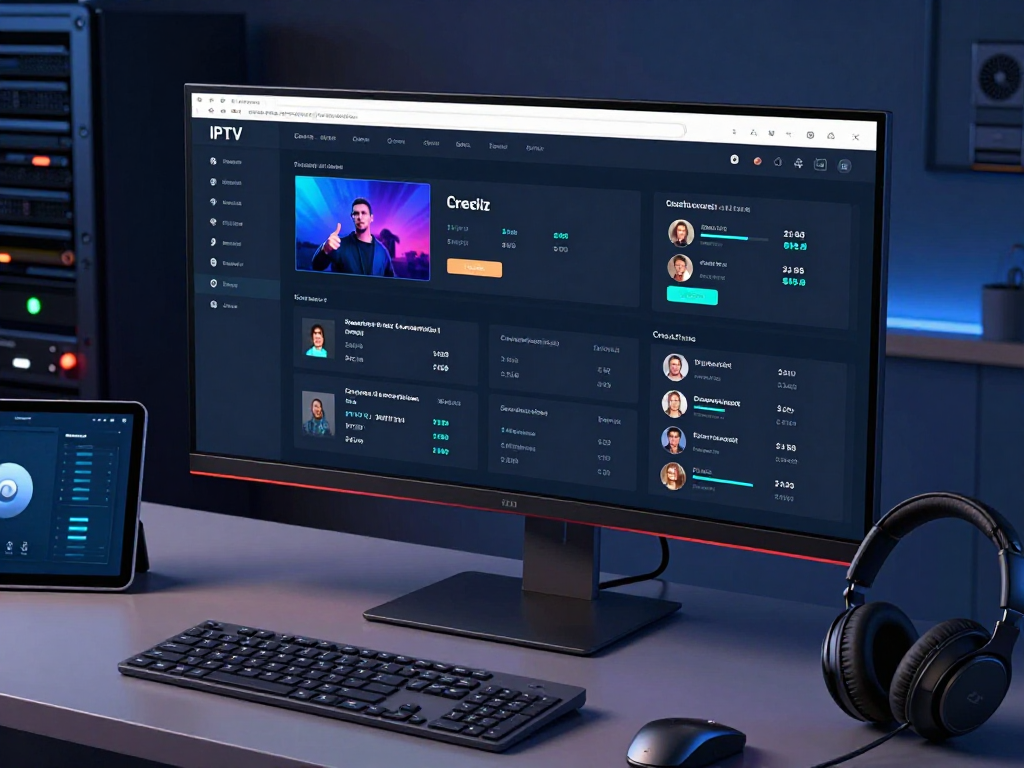

Understanding Iptv Reseller Business Models
The Internet Protocol Television (IPTV) market has witnessed remarkable growth over recent years, driven by the increasing demand for on-demand streaming services and content delivery. As an Iptv reseller, understanding the various business models is crucial for shaping strategies that resonate with both customers and service providers. This article delves into the nuances of IPTV reseller business models, the types of services available, revenue streams, and insights into key players operating within the market.
Types of Iptv Services Available
IPTV services can be broadly categorised into three primary types:
- Live TV: This offers real-time streaming of television channels, giving users access to shows as they air.
- Video on Demand (VoD): Users can select and watch video content whenever they choose, from a wide range of films and series.
- Time-shifted TV: This enables viewers to watch content after it has aired, allowing for greater flexibility.
In addition to these core services, IPTV resellers can also offer premium packages that include HD or 4K streaming, sports, and exclusive content partnerships to attract more subscribers.
Revenue Streams and Profitability
Understanding revenue streams is essential for any reseller looking to build a sustainable business model. Common revenue channels include:
- Subscription Fees: Monthly or annual charges paid by users for access to content.
- Advertising Revenue: Selling ad space on the IPTV platform can provide significant income, particularly for free or ad-supported services.
- Affiliate Marketing: Collaborating with other businesses to promote services can yield referral commissions.
When well-structured, these revenue streams can lead to substantial profitability, especially as the user base expands with effective marketing strategies.
Key Players in the Market
The IPTV landscape comprises numerous players ranging from established telecom companies to start-ups. Key companies typically include:
- Telecommunication giants offering integrated IPTV alongside internet and mobile services.
- Dedicated IPTV platforms focused on niche content and innovative user experiences.
- Multi-System Operators (MSOs) who bundle IPTV with other services like VoIP and broadband.
Understanding the competitive environment and recognising the strengths and weaknesses of these players can help resellers position themselves advantageously.
Building a Robust Iptv Platform
Designing and implementing a resilient IPTV platform necessitates a thorough evaluation of software architecture, cloud infrastructure, and user experience design. By focusing on these aspects, resellers can ensure scalability and reliability in their offerings, accommodating variable user demands.
Software Architecture Designs for Scalability
When designing an IPTV service, consider adopting microservices architecture. This approach can enhance scalability and resilience. Each microservice can handle distinct functionalities such as user authentication, content management, and billing:
- Decoupled Services: Each service can be updated independently, allowing for more agile responses to changes.
- Load Balancing: Distributing user requests across multiple servers mitigates the risk of downtime and improves performance.
Implementing APIs for communication between services is key to maintaining a cohesive architecture and ensuring a seamless user experience.
Cloud Infrastructure Considerations (AWS and Azure)
Cloud platforms like AWS and Azure provide the necessary tools for resellers to host scalable IPTV services. Key considerations include:
- Content Delivery Network (CDN): Utilising a CDN ensures content reaches users with minimal latency.
- Serverless Architecture: This allows resellers to manage resources efficiently, significantly reducing operational costs.
- Data Storage Solutions: Choosing the right solutions for storing media assets influences both performance and accessibility.
Both AWS and Azure have robust services designed specifically for video streaming, which can significantly enhance user experience.
UI/UX Best Practices for Iptv Applications
A seamless user experience is paramount. Essential UI/UX best practices include:
- Intuitive Navigation: Ensuring users can easily find content boosts satisfaction.
- Personalised Recommendations: This can be achieved through machine learning algorithms, improving engagement.
- Responsive Design: The platform should work across devices, from smart TVs to mobile phones.
Investing in UI/UX research and testing is imperative for creating a compelling IPTV application that retains users.
Effective Marketing Strategies for Iptv Resellers
In a competitive market, effective marketing can set an IPTV reseller apart. This section will explore strategies tailored for capturing and retaining a targeted audience.
Target Audience Identification
Identifying your target audience requires market research. Key methods include:
- Surveys and Feedback: Engaging current customers can reveal which features they value most.
- Competitive Analysis: Understanding who competitors target enables better positioning of your offerings.
Once identified, tailor your marketing messages to resonate with that audience, addressing their specific pain points and preferences.
SEO Techniques to Enhance Online Presence
Search Engine Optimization (SEO) is essential for driving organic traffic. Consider the following techniques:
- Keyword Research: Integrating relevant keywords such as 'IPTV reseller' throughout your website ensures better visibility.
- Content Marketing: Creating informative blog posts and guides can establish authority and trust within your niche.
Regularly updating content keeps your site relevant and can enhance overall search rankings.
Social Media Campaigns and Engagement
Utilising platforms like Facebook, Instagram, and Twitter can engage users effectively. Consider:
- Content Sharing: Regularly share updates, promotions, and engaging content to keep your audience connected.
- Community Building: Foster discussions and responses to comments to create a loyal following.
Analytics tools can help track the effectiveness of campaigns, allowing for optimisation and adjustment based on user engagement.
Ensuring Cybersecurity in Iptv Service Delivery
As cyber threats continue to evolve, ensuring cybersecurity is paramount for IPTV resellers. This section highlights common threats, security protocols, and relevant regulations.
Common Threats and Vulnerabilities
IPTV systems face various threats, such as:
- DDoS Attacks: These can overwhelm servers, disrupting service availability.
- Content Piracy: Unauthorized access to content can lead to revenue losses and legal ramifications.
Recognising these vulnerabilities and implementing proactive strategies is essential for safeguarding the service.
Implementing Security Protocols and Best Practices
Establishing robust security measures involves:
- Encryption: Secure data transmission with encryption to protect sensitive information.
- Regular Security Audits: Conduct ongoing assessments to identify and mitigate vulnerabilities.
- User Authentication: Implement multi-factor authentication for enhanced access control.
Ensuring data security not only builds trust but also promotes compliance with industry standards.
Data Privacy Regulations Impacting Iptv Resellers
Regulations such as GDPR mandate strict data handling protocols. Key takeaways include:
- Informed Consent: Users must be informed about how their data will be used.
- Data Portability: Users should have the capability to transfer their data easily.
Staying abreast of legal requirements protects against financial penalties and enhances customer trust.
Leveraging AI/ML for Enhanced Iptv User Experiences
Artificial Intelligence (AI) and Machine Learning (ML) offer IPTV resellers powerful tools for improving user experiences. This section highlights methods to effectively implement these technologies.
Personalisation Techniques Using AI
Utilising AI, resellers can create tailored content recommendations based on user preferences and viewing history. Key methods include:
- Collaborative Filtering: Recommending content based on similar user behaviours.
- Content-Based Filtering: Analyzing user preferences to suggest similar shows or channels.
This personalisation drives user engagement and satisfaction, directly impacting retention rates.
Improving Streaming Quality through Machine Learning
Machine learning algorithms can analyse network conditions and user behaviour to optimise streaming quality. Effective implementations include:
- Adaptive Streaming: Dynamically adjusting video quality based on user bandwidth.
- Error Correction: Utilizing ML to predict and correct streaming issues before they impact the user experience.
These techniques markedly enhance the reliability of IPTV services.
Predictive Analytics for Customer Retention
AI-driven predictive analytics can identify patterns in user behaviour, providing insights into retention strategies. Consider the following applications:
- Churn Prediction: Identifying users at risk of unsubscribing allows for targeted marketing efforts.
- User Engagement Analysis: Understanding which features are most appealing helps in refining service offerings.
By acting on these insights, IPTV resellers can strengthen customer loyalty and ultimately evolve their platforms.
FAQs
What is the role of an Iptv reseller?
An IPTV reseller serves as an intermediary, purchasing IPTV services at wholesale rates and then selling them to individual consumers or businesses. They often customise packages to meet specific market needs.
How can I optimise my Iptv offerings?
Optimisation can be achieved through continuous market research, utilising user feedback for service enhancements, and leveraging robust digital marketing strategies to attract customers.
What legal considerations should I be aware of?
IPTV resellers must navigate various legal aspects, including content licensing, data protection regulations such as GDPR, and compliance with broadcasting laws to avoid potential legal pitfalls.