
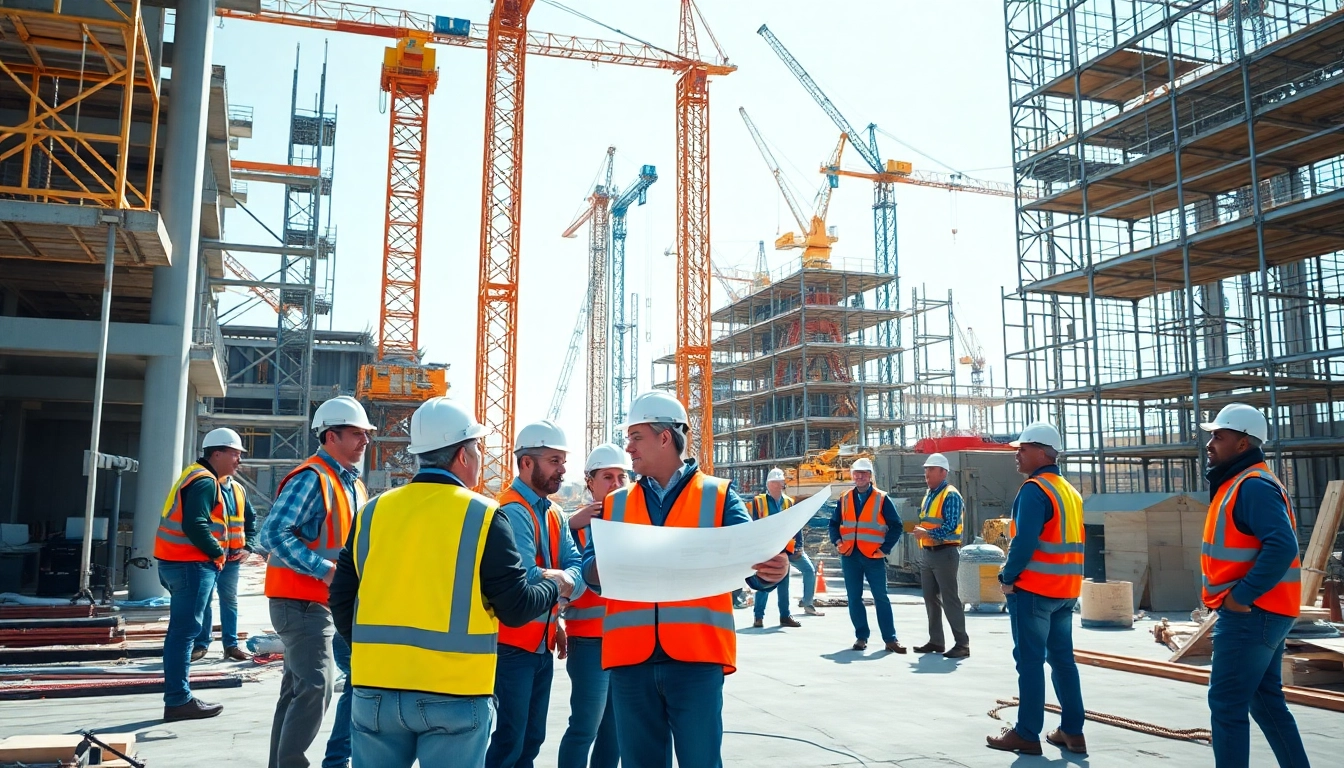
Understanding the Basics of Construction
What is Construction?
Construction is the process of creating physical structures, ranging from residential buildings to large-scale infrastructure projects. It encompasses a variety of activities, including design, planning, building, and maintenance, ultimately leading to the final product. At its core, construction involves both the materials and the labor required to bring a project to fruition. A successful construction project requires a blend of technical knowledge and practical skills, attention to detail, and a deep understanding of project management principles.
Types of Construction Projects
Construction projects can be broadly categorized into several types:
- Residential Construction: This includes the building of houses, apartments, and condominiums. It often involves architectural design, material selection, and adherence to local zoning laws and regulations.
- Commercial Construction: Involves structures like offices, shopping malls, and hotels. These projects usually require more extensive planning and coordination due to regulations and the need for specialized contractors.
- Industrial Construction: This type of construction refers to facilities like factories and warehouses, where health, safety, and efficiency are high priorities.
- Infrastructure Construction: Involves the building of roadways, bridges, tunnels, and utilities essential for community functioning.
- Green Construction: Focuses on sustainability through energy-efficient designs, eco-friendly materials, and minimizing environmental impact.
Key Terminology in Construction
Understanding the following key terms can enhance communication and comprehension in any construction project:
- Blueprint: A detailed plan or drawing that outlines the specifications for a construction project.
- Scope of Work: Defines the work required for a project, including tasks, timelines, and deliverables.
- Change Order: A document that outlines any modifications to the original construction agreement.
- Subcontractor: A specialist hired by the primary contractor to execute specific tasks in the construction process.
- Inspection: The evaluation of work quality to ensure it meets building codes and project specifications.
Planning Your Construction Project
Creating a Detailed Project Plan
A detailed project plan serves as the backbone of a successful construction project. It should outline objectives, scopes, schedules, resources, and costs. Start by defining the construction goals, involve stakeholders, and incorporate their input. This plan should remain flexible yet comprehensive enough to anticipate potential challenges and include contingency plans.
Setting Realistic Budgets and Timelines
Establishing budgets and timelines requires meticulous research and consideration. Create a budget that accounts for all materials, labor, permits, and potential unexpected costs. Use project management tools to create a timeline that outlines each phase of construction, allocating appropriate timeframes for completion. Be realistic; factors such as weather, material availability, and labor shortages can impact your timeline.
Permits and Regulations in Construction
Obtaining the necessary permits and adhering to local regulations is crucial in construction planning. Building codes typically vary by location and must be meticulously followed to ensure safety and compliance. Early engagement with local authorities can expedite the permit process; failing to secure the right permits can lead to project delays and increased costs.
Building a Strong Construction Team
Hiring the Right Talent for Construction
The success of a construction project often hinges on the talent and expertise of the team involved. When hiring workers, prioritize experience and qualifications relevant to the specific project. Utilize assessments and interviews to ensure candidates possess not only the required skills but also a mindset conducive to collaboration and problem-solving.
Training and Safety Protocols in Construction
Creating a culture of safety is paramount in the construction industry. Regular training for all team members on safety standards, emergency procedures, and equipment handling can mitigate risks and enhance overall productivity. Employing a safety officer on-site ensures constant adherence to safety protocols and reduces the likelihood of accidents.
Effective Communication Strategies
Effective communication fosters collaboration and minimizes misunderstandings. Establish clear lines of communication among project team members, stakeholders, and contractors from the outset. Utilize project management software for keeping everyone informed about progress, changes, and deadlines, and encourage open dialogue to address any concerns promptly.
Executing the Construction Plan
Project Management Best Practices
Efficient project management involves continuous monitoring and adjusting strategies as necessary. Implementing methodologies like Agile or Lean construction can optimize processes, enhancing efficiency. Regular updates with meeting agendas can keep the focus on goals, and engaging team members in this process promotes accountability and ownership.
Monitoring Progress and Quality Control
Monitoring progress and maintaining quality is critical throughout the construction process. Utilize checklists, timelines, and KPI metrics to ensure the project stays on track. Implement routine inspections and peer reviews to catch issues early, reducing costly revisions and ensuring the finished product meets all quality standards.
Troubleshooting Common Construction Challenges
Challenges such as labor shortages, supply chain disruptions, and unforeseen site conditions are common in construction. To troubleshoot these issues, maintain flexibility in project plans and develop risk management strategies. Establish backup suppliers, consider diversifying your workforce, and always have a plan for unexpected site conditions to mitigate risks effectively.
Evaluating Construction Success
Performance Metrics in Construction
To evaluate the success of your construction project, consider various performance metrics such as time efficiency, cost variance, and quality benchmarks. Track the project against the original budget and timelines to assess areas for improvement. A thorough post-project analysis can provide insights into both successes and failures, laying a foundation for future endeavors.
Feedback Mechanisms and Continuous Improvement
Constructive feedback mechanisms are essential for ongoing improvement in construction. Collect feedback from your team and stakeholders regularly. Conduct surveys and post-project evaluations to identify complete learnings, which can serve as a basis for refining future processes, increasing productivity, and enhancing innovation.
Case Studies of Successful Construction Projects
Examining successful construction projects can provide invaluable insights into best practices. For example, projects that incorporate modular construction have shown reductions in timeline delays and increased efficiency. Analyzing how established companies overcame obstacles can inspire solutions for your own challenges and highlight effective techniques in project management.
Frequently Asked Questions
What type of construction projects are most common?
The most common construction projects include residential buildings, commercial infrastructures like office spaces, and roadworks. Demands may vary by region and economic factors.
How do I develop a construction project budget?
Develop a budget by researching material and labor costs, accounting for contingencies, and including funds for permits and inspections. Regularly review it against actual expenses throughout the project.
What permits are needed for construction?
Permits required can vary significantly depending on location and project type, typically including building permits, land use permits, and environmental permits. Checking with local authorities is critical.
How important is safety training in construction?
Safety training is crucial in construction to minimize accidents, protect workers, and comply with regulations. A well-trained workforce fosters a culture of safety.
What metrics should I track for construction projects?
Important metrics include project completion time, budget compliance, quality of workmanship, and worker productivity. Tracking these helps in evaluating overall project success.


